Play Toy Story Online Free for Super Nintendo.
Toy Story hits different when it boots instantly in your browser. Released in 1995 on the Super Nintendo, this retro classic from its publisher is ready the second you press start — no downloads, no setup.
Toy Story is a 1995 platform game developed by Traveller's Tales and published by Disney Interactive for the Sega Genesis, Super Nintendo Entertainment System, Game Boy, and Microsoft Windows. It is based on the 1995 computer-animated Pixar film of the same name.
🎮 USB or Bluetooth controller? Plug it in, Once Detected Click Here to Open Your Controller Options
⭐ Premium members can click any key below to remap the controls. Go Premium
| Action | Keyboard | Controller |
|---|---|---|
| D-Pad Up | ↑ | D-Pad up |
| D-Pad Down | ↓ | D-Pad down |
| D-Pad Left | ← | D-Pad left |
| D-Pad Right | → | D-Pad right |
| B (bottom) | X | Bottom face |
| A (right) | Z | Right face |
| Y (left) | S | Left face |
| X (top) | A | Top face |
| L | Q | Left shoulder |
| R | E | Right shoulder |
| Start | Enter | Start |
| Select | V | Select |
⚠ Report this game not working
You’re playing the preview
Create a free account to unlock the full experience for :
- 💾 Save states — snapshot & resume anywhere
- 🎮 Full controller setup & custom key mapping
- ↩ Rewind, fullscreen & display options
You're in! Now go FULL PREMIUM
- 🏆 FREE Tournament Entry — quarterly comps with REAL PRIZES
- 💾 High-score saving — your runs on the boards, forever
- 🚫 ZERO ads — no preroll window, no banners, ever
- 🟢 Unlimited game play + the entire Premium vault
Show the world what Retro is really about.
First registered run claims the top spot. It won't stay easy for long.
Playing counts once you're signed in — register free in the player above.
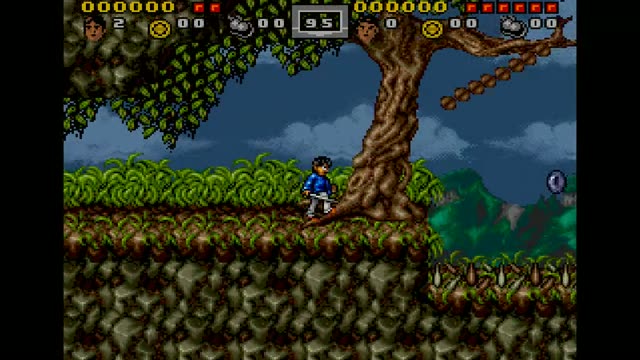
The Story Behind Toy Story
The game was published by Disney Interactive. While the film had vibrant, vivid colors, the Genesis had only a limited array of colors. Jon Burton, the founder of Traveller's Tales, served as both the designer and programmer for the game.
The development team and Pixar initially had issues rendering the animations with correct lighting that would allow the development team to convert them for the game. To pass Sega's strict approval process, Burton disguised game glitches as part of the game; instead of receiving an error message, game testers would be sent to a bonus minigame, which Burton said was part of the game. Pixar provided final animations to the team only two weeks before the game was to be submitted to Sega for final approval.
How Toy Story Plays
The Sega Genesis version has 18 levels, while the Super NES and Microsoft Windows versions have 17. The Windows version lacks "Really Inside the Claw Machine". Another stage is played from a first-person perspective as Woody searches through a maze to find alien squeaky toys lost inside the claw machine and return them to the play area, where the rest of the alien toys reside, all within a time limit.
It cannot, however, kill enemies (with the lone exception of Nightmare Buzz, the only boss in the game to be permanently defeated through the whip). Both play largely the same; the game takes an overhead view of the level, giving the players basic acceleration, braking and steering, and tasking players with reaching the end of the stage while not running out of batteries (which drain constantly, but can be replenished by bumping them out of Buzz in the former stage, and merely finding them on the ground in the latter). Several obstacles lie between the player and the goal of each level, including an assortment of enemies.
Why Players Still Load It Up
Toy Story is a 1995 platform game developed by Traveller's Tales and published by Disney Interactive for the Sega Genesis, Super Nintendo Entertainment System, Game Boy, and Microsoft Windows. The visuals were best received on the Genesis version due to the game's 3D-rendered graphics, which had several precedents on the SNES and PC but were completely new to the Genesis. Mark East of GameSpot praised the soundtrack of the Windows version but had several minor criticisms of the game, including keyboard control issues, delayed sound effects, and brief pauses that occur when the soundtrack restarts.
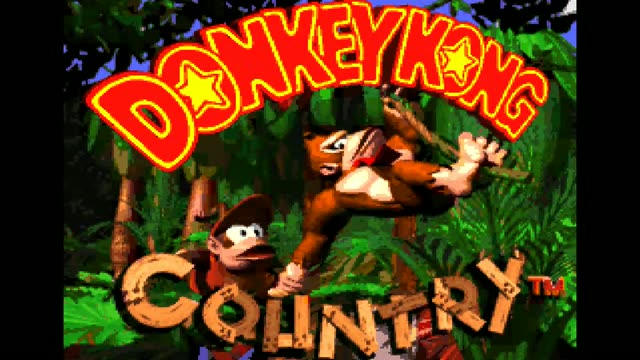
Roger Burchill of Super Play wrote that while the Genesis version "marked a new high point" in graphics and gameplay, the Super NES version "can't help but be compared to Donkey Kong Country 2 and that's a comparison where it will lose every time". Toy Story was nominated for the Video Software Dealers Association's "Video Game of the Year" for 1995, losing to Donkey Kong Country 2. A brief review in GamePro opined that it did not live up to the legacy of the film and previous versions of the game, citing "plodding and repetitive" gameplay, rudimentary graphics, and the inaccuracy of Woody's drawstring.
Toy Story — Frequently Asked Questions
Do I need a controller to play Toy Story?
No. Keyboard controls work out of the box (see the controls panel), and any USB or Bluetooth gamepad is detected automatically.
Who developed Toy Story?
Development was handled by Traveller's Tales, with its publisher publishing the release.
Where can I buy the original Toy Story?
See the "Other Places You Can Get This Game" section below the article for legitimate places to buy real-world versions.
What console was Toy Story released on?
its publisher shipped Toy Story for the Super Nintendo back in 1995, and this page runs that release.