Play SNES Games Online
The Super Nintendo shelf is lit up and ready — every game here boots straight in your browser, no downloads, no dust. Nintendo hardware from 1991, running for real.
It was released as the Super Famicom in Japan on November 21, 1990, as the Super NES in North America on August 23, 1991, and internationally throughout 1992. A fourth-generation console, the SNES primarily competed with the Sega Genesis in the console war, a fierce battle for market share in the United States and Europe.
Top Scores — Insert Coin to Challenge
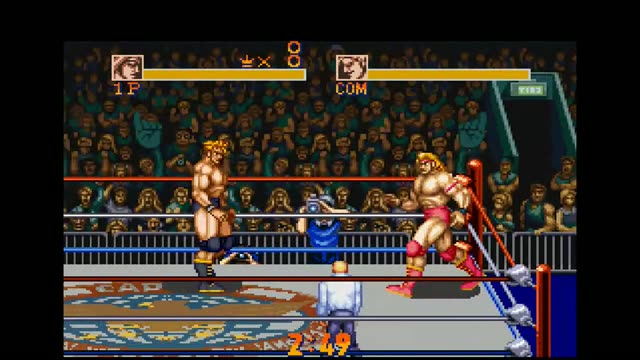
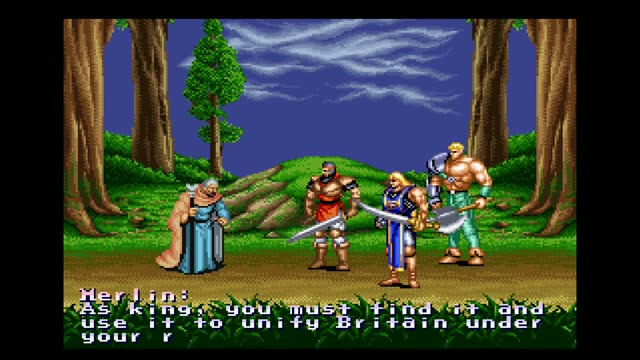
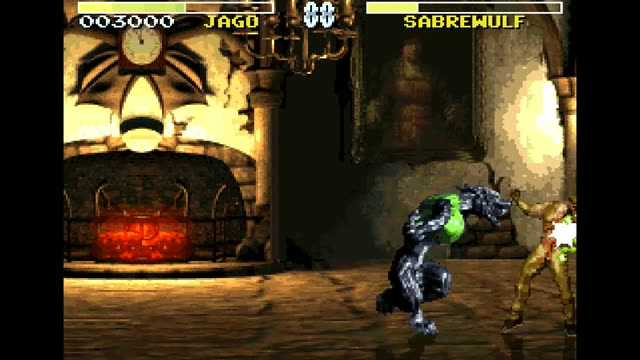
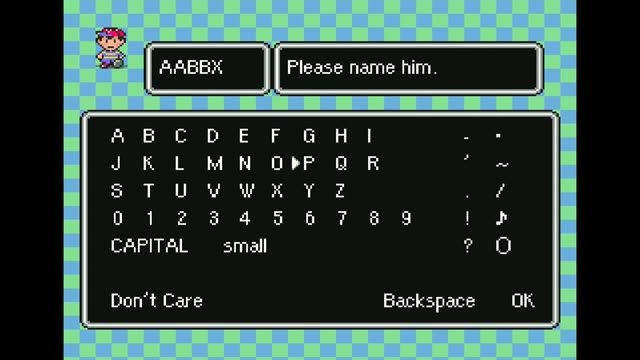
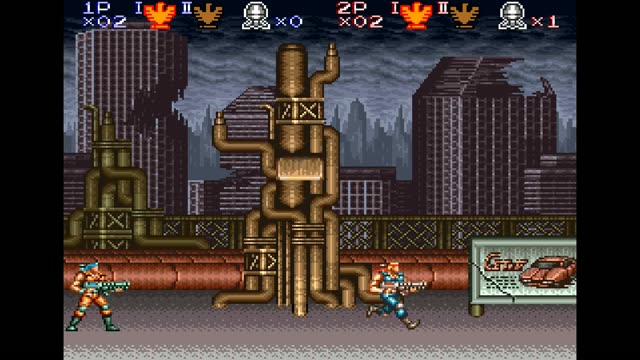
The SNES Story
On November 20, the day before launch, Nintendo loaded 100 trucks with boxes of Super Famicom consoles, alongside cartridges of F-Zero and Super Mario World early in the morning. On September 9, 1987, then-Nintendo president Hiroshi Yamauchi revealed the development of the Super Famicom in the newspaper Kyoto Shimbun. 4, Dragon Quest V, three original games, and he projected sales of 3 million units of the upcoming console.
Famicom Hissyoubon magazine speculated that Yamauchi's early announcement was probably made to forestall Christmas shopping for the PC Engine, and relayed Enix's clarification that it was waiting on sales figures to select either PC Engine or Super Famicom for its next Dragon Quest game. A prototype was demonstrated to the Japanese press on November 21, 1988, and again on July 28, 1989, which only had 32 KB of work RAM. The final design of the Super Famicom unveiled at the second Shoshinkai show, which was held between August 28–29, 1990.
Why the SNES Still Hits
GamingExcellence also gave the SNES first place in 2008, declaring it "simply the most timeless system ever created" with many games that stand the test of time and citing its innovation in controller design, graphics capabilities, and game storytelling. At the same time, GameDaily rated it fifth of the ten greatest consoles for its graphics, audio, controllers, and games. In 2009, IGN named the SNES the fourth-best video game console, complimenting its audio and number of AAA games.
thumb|European version of the SNES control deck at the Computer and Video Game Console Museum of [[Helsinki in 2012]] Approximately 49.1 million SNES consoles were sold worldwide, with 23.35 million of those units sold in the Americas and 17.17 million in Japan. Although it could not quite repeat the success of the NES, which sold 61.91 million units worldwide, the SNES was the best-selling console of its era. In 2007, GameTrailers named the SNES as the second-best console of all time (only behind the PlayStation 2) in their list of top ten consoles that "left their mark on the history of gaming", citing its graphics, sound, and library of top-quality games.
How SNES Games Run Here
Pick a SNES game and the snes9x core boots the original code right here — authentic down to the frame. No downloads, no setup screens; keyboard, gamepad and touch all work immediately, and free accounts get save states across devices.